Essential Site Preparation Tips for Small Landowners Building a Pole Barn in 2026
Learn key site prep tips for small landowners building a pole barn in 2026, including grading, drainage, and permitting essentials.
Introduction
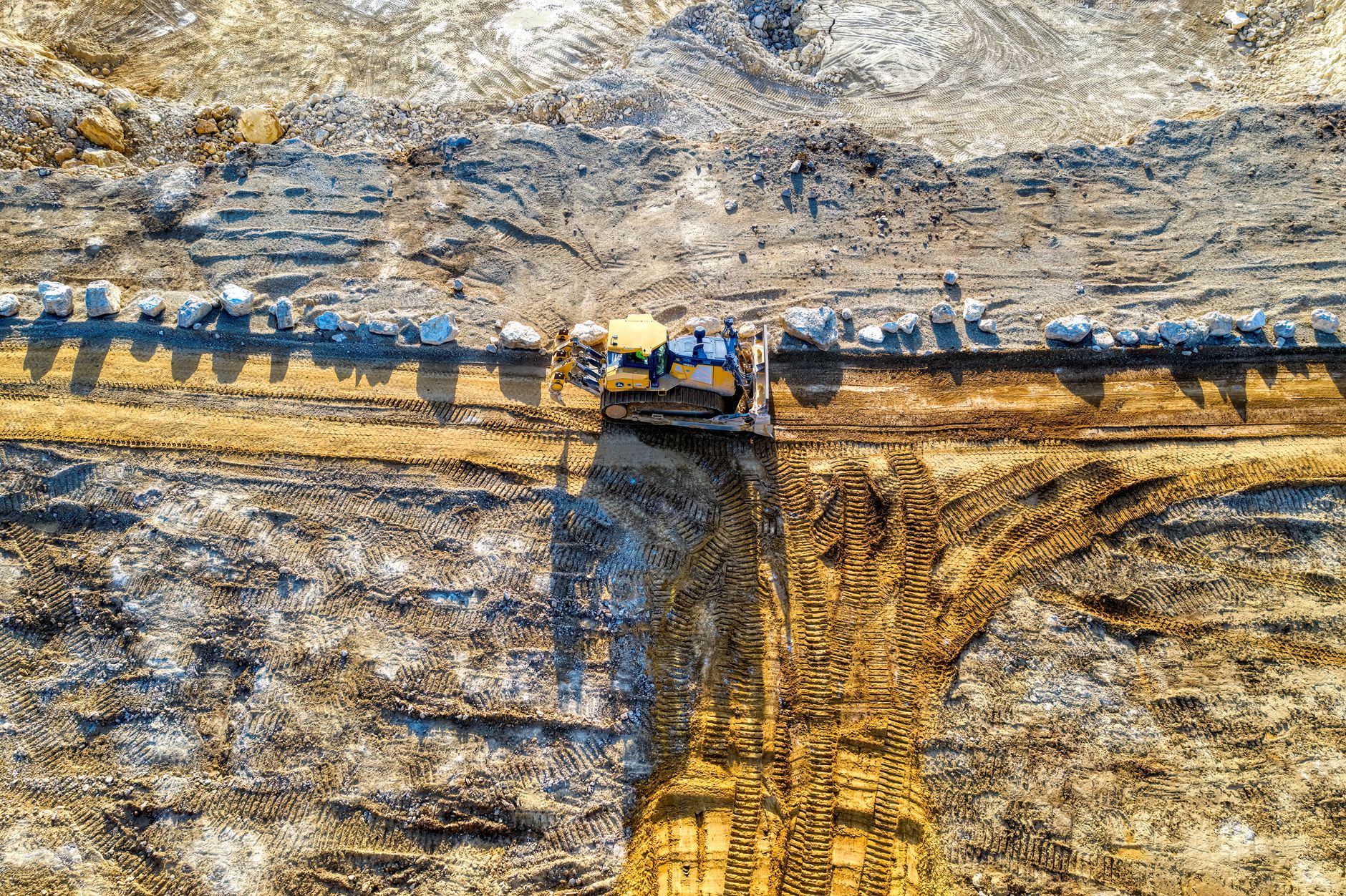
Building a pole barn on your land can be a good project, providing extra storage, a workshop, or a small farm building. For small landowners in 2026, preparing the site properly is key to making sure your structure is stable, long-lasting, and follows local rules. This guide covers important tips to help you get your site ready for construction.
Why Proper Site Preparation Matters
Before pouring the foundation or building the frame, preparing your site helps with durability, safety, and avoiding extra costs. Skipping or rushing this step can cause drainage problems, structural issues, and permit delays, all of which can increase expenses and headaches.
Key Site Preparation Steps
1. Conduct a Site Assessment
Start by checking your land—look at how water drains naturally, the slope, soil type, and nearby plants. This will guide your grading, drainage setup, and foundation choices.
2. Clear the Land
Remove trees, bushes, rocks, and debris from where you plan to build. Clearing creates a flat, stable space and makes construction easier.
3. Grade and Level the Site
Grade the land so water flows away from your pole barn. A slight slope (about 2%) is ideal. Use a skid steer or hire a professional if your site is large.
4. Address Drainage and Erosion Control
Set up drainage options like swales, French drains, or gutters to move water away. If your land is prone to runoff, consider erosion control mats or silt fences.
5. Prepare the Foundation Area
Make sure the foundation spot is compacted and free of organic material. Most pole barns need a gravel pad or concrete footing, depending on soil conditions.
Permitting and Regulations
Check with your local building office about permits, zoning rules, and setbacks. Having the right paperwork helps avoid legal issues and keeps your project safe and compliant.
Additional Tips for Success
- Test your soil to see if it’s stable and drains well.
- Plan for utility access if needed, like electricity or water.
- Think about future expansion or access roads when planning your site.
Conclusion
Getting your site ready sets the stage for a successful pole barn. By evaluating your land, grading correctly, managing drainage, and following local rules, you’ll build a sturdy structure that will serve you for years.
0 Comments