Your Ultimate Guide to Site Preparation for a Strong and Long-Lasting Pole Barn in 2026
Learn essential steps for preparing your site to build a durable, long-lasting pole barn in 2026. From grading to foundation, get it right the first time.
Introduction
Building a pole barn is a solid way to add storage, workshops, or agricultural space. The key to making it last is proper site prep. In 2026, staying updated on best practices, local rules, and new methods makes all the difference.
Why Proper Site Preparation Matters
Getting the site right gives your pole barn a strong base, helps prevent issues like flooding or shifting later on, and makes it last longer. Skipping or rushing this step can lead to costly repairs or structural problems later.
Steps for Effective Site Preparation
1. Evaluating the Site
Start with a detailed look at the land. Check drainage, soil type, slope, and access. Soil testing helps determine if the ground can support the weight and if there are any contaminants.
2. Permitting and Regulations
Check local building codes and zoning rules. Get the necessary permits before you begin. Some areas might need environmental reviews or special approvals for clearing land.
3. Clearing and Grading
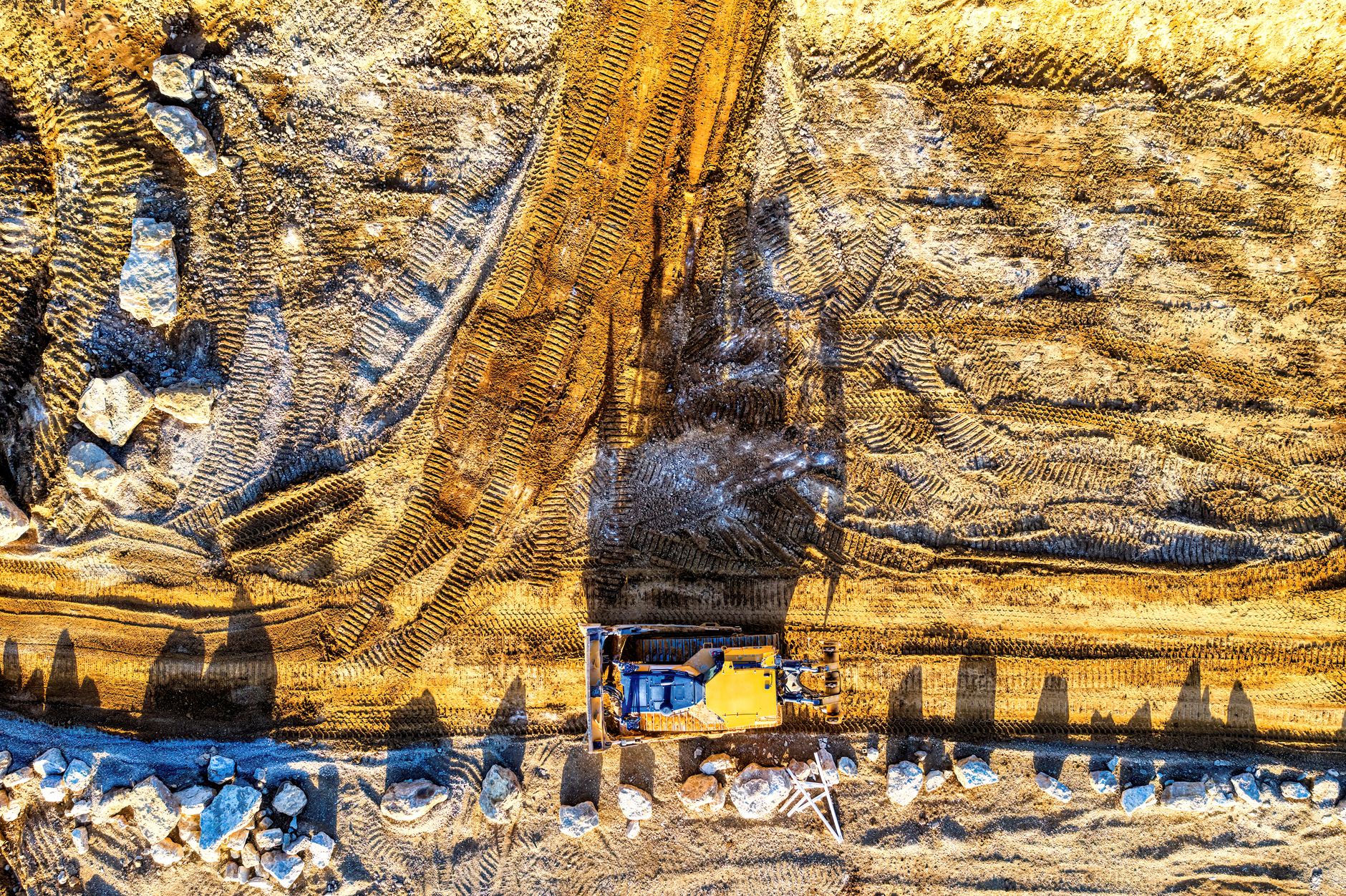
Remove trees, brush, and debris. Grade the land to direct water away from where you plan to build. Using laser-guided equipment helps with accuracy, especially on slopes.
4. Soil Stabilization and Drainage
If the soil is loose or sandy, consider stabilization options like compaction, adding gravel, or using geotextiles. Installing drainage systems such as French drains or swales can prevent water from pooling around the foundation.
5. Foundation Planning
Choose the right foundation type for your site—like a concrete slab, pier, or post-and-beam. Your choice affects how long it lasts and how much maintenance it needs.
Innovations and Tips for 2026
This year, new materials and methods are available. Think about using eco-friendly geogrids for soil stability or modular foundation systems to speed up installation. Drones can help survey large areas more accurately.
Conclusion
Getting your site ready sets the stage for a successful pole barn. By carefully assessing your land, following regulations, and using modern techniques, you can build a durable structure that lasts for decades.
0 Comments