How to Ensure Proper Drainage When Preparing Your Pole Barn Site in 2026
Learn essential tips for ensuring proper drainage when preparing your pole barn site in 2026 to prevent water damage and ensure long-term stability.
introduction
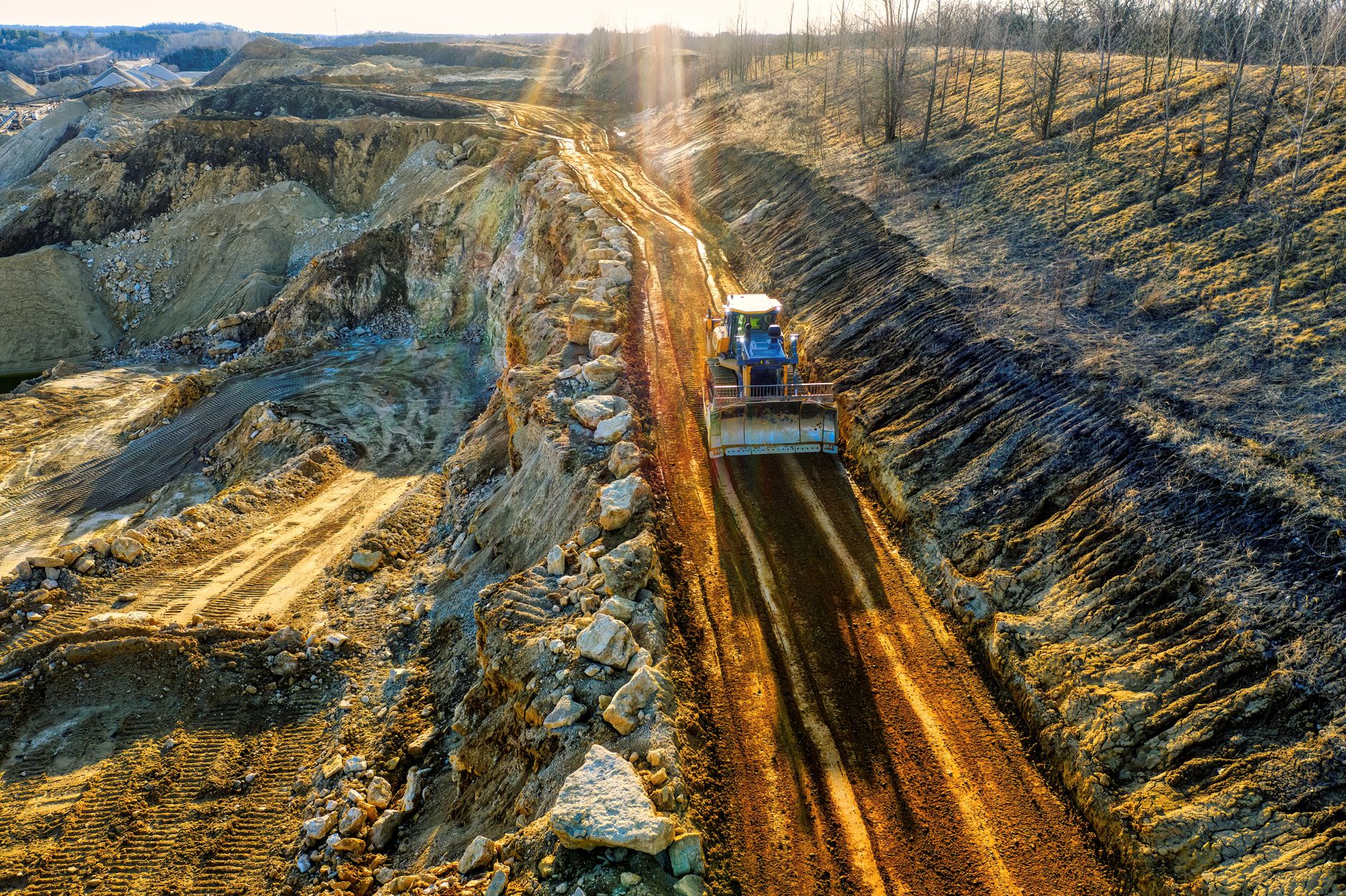
Preparing your pole barn site with good drainage is key for its longevity and safety. In 2026, new tools and best practices make it easier to get it right. This guide covers the main steps to keep water away from your site and prevent issues with water pooling or foundation damage.
why proper drainage matters
Good drainage stops water from collecting around your pole barn, which helps prevent soil erosion, foundation cracks, and mold. Proper site prep protects your investment and keeps your structure safe and lasting longer.
checking your site’s drainage needs
Start by looking at your land. Find out where water naturally flows, which slopes exist, and if there are spots that tend to flood. Use tools like a level or laser transit to measure slope, aiming for a gentle 2% grade away from where you plan to build.
steps for assessing your land:
- Find low spots that flood easily.
- Check for existing water pathways and drainage routes.
- Understand your soil type—sandy soil drains fast, clay holds water.
planning your drainage system
After understanding your site, plan how to manage water flow. Common options include grading the land, adding French drains, and creating swales.
main techniques:
- grading: shape the land so it slopes away from the foundation. Use a laser level or transit for accuracy.
- French drains: install perforated pipes in gravel-filled trenches to direct water away.
- surface drainage: add gutters and downspouts to carry roof runoff away from the building.
putting your plan into action
Careful work is important. Consider hiring experienced landscapers or excavation pros. When grading, keep the slope steady. Use quality gravel and perforated pipes in trenches, and cover them with landscape fabric to block silt.
keeping your drainage system working
Regular checks and upkeep help it work well. Clear out debris from gutters, look for clogged pipes, and re-grade areas if needed after heavy rain or soil movement.
wrap-up
Getting your drainage right in 2026 means assessing your land, planning carefully, doing the work precisely, and maintaining it regularly. Following these steps will help keep your pole barn dry, stable, and built to last.
0 Comments